When it comes to training chickens, it is not just about teaching them to walk or follow commands. It is a deeper process that requires patience, love, and understanding of each chicken’s personality. Through this article,https://rr88c.pro will explore the ultimate methods to help you become an excellent chicken trainer.
Understanding Personality and Training Strategies
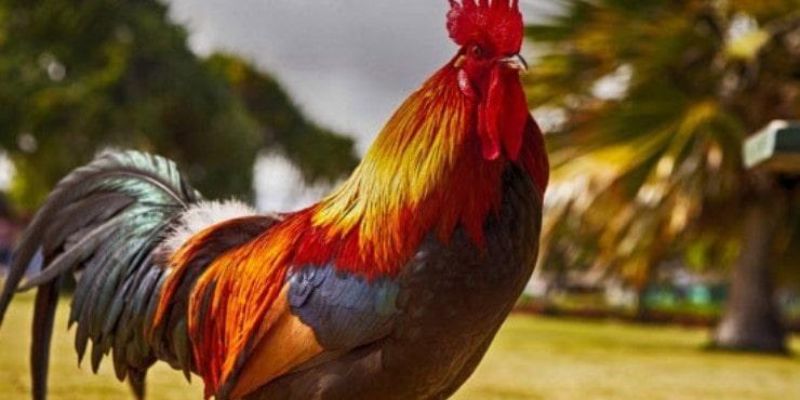
Before you can begin training your chickens, it is important to understand their natural temperament and behavior. Each chicken has its own unique characteristics that you need to understand in order to apply effective training methods.
Understanding Natural Chicken Behavior
Chickens have natural behaviors such as foraging, seeking shelter, and socializing. Learning about these behaviors will not only help you understand your chickens better, but will also help you choose the right training method.
- Living Environment:
Chickens that live in a comfortable environment will learn better, so it is essential to ensure that the coop is clean and safe. - Food Search Habits:Chickens tend to forage primarily in the early morning and late afternoon. You can take advantage of this by creating training routines that involve food rewards.
Effective Training Methods
Once you have a good understanding of your chicken’s natural behavior, you can begin to apply appropriate training methods.
- Using Rewards:Using food as a reward is the most common way. When your chicken does something right, immediately give them a little of their favorite food. This stimulates their learning ability.
- Voice Training:Another technique is to use voice to give instructions and encouragement. Chickens are very sensitive to sound and can recognize their owner’s voice or specific keywords.
Building Strong Relationships
To be effective in training chickens, you need to build a friendly and close relationship with them.
- Take Time to Play:Taking your chickens outside to give them space to play and run around will help them feel more comfortable and at ease with you.
- Emotional State Recognition:Pay attention to your chicken’s body language for signs of anxiety or frustration. It is important to adjust your training methods based on their reactions.
Basic Skills In Chicken Training
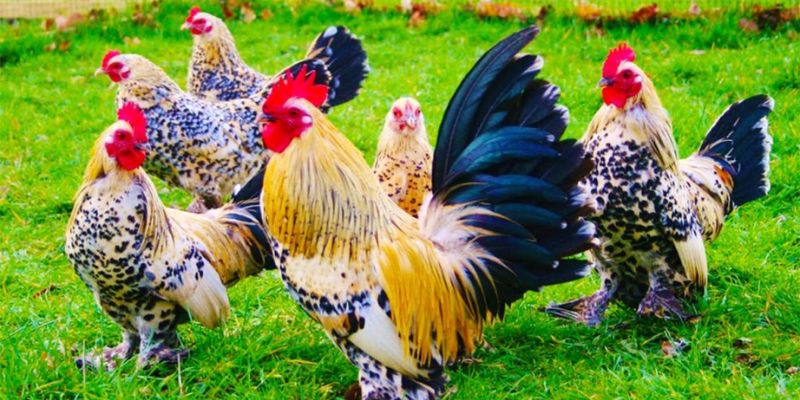
Once you have established a solid foundation in understanding chickens and training methods, the next step is to practice the basic skills a chicken needs to become perfect.
Training To Receive Commands
One of the main goals in training chickens is to teach them to listen and obey basic commands.
- Select Specific Command:Pick a few simple commands like “stop” and “come” and use them consistently. The bird will memorize the command through repeated hearing and execution.
- Creating Behavioral Models:When you give a specific command, if the chicken does it correctly, praise and reward it. Conversely, if they do not follow, be patient to explain it again.
Understanding Personality and Training Strategies
Practice Dancing Skills
Jumping is a great skill that you can train your chickens to do. Not only does it help them stay healthy, it also helps develop their fighting spirit.
- Dance Workout Design:You can place an object like a small box, or low crossbar to stimulate jumping. Giving directions to the chickens along with a call and a treat will make them more excited.
- Developing Confidence:Through these exercises, the chicken will develop confidence and better motor skills. Confidence plays an important role in helping chickens perform well in competitions.
Combat Skills
For fighting chicken breeds, training for fighting skills is also an important part.
- Reflex Skills:Training to be ready is of utmost importance. Chickens need to be quick and able to react to any situation.
- Offensive and Defensive Tactics:Setting up situations to practice offensive or defensive tactics for your chickens will help them become smarter in real fights.
Practical Experience In Chicken Training
In the process of training chickens, practical experience plays a very important role. This is a valuable source of knowledge that you will gain from trial and error.
Discover Lessons From Mistakes
Mistakes are an integral part of the training process. Every mistake teaches you a valuable lesson.
- Failure Analysis:If your chicken is not following your command, you need to consider whether there is something wrong with your method. Analyzing the reasons will help you improve your training method.
- Patience is the Key:Not everything will happen immediately. Being patient with each training session will bring the best results in the future.
Connect With Other Coaches
It is also helpful to learn from experienced chicken trainers. They can share with you unique tips and tricks that you never thought of.
- Join Training Groups:Find communities that love raising chickens, they will share valuable experiences. These meetings will provide opportunities for you to exchange and learn.
Track Training Progress
An important part of training is monitoring your chicken’s progress.
- Training Log:Record what the chicken learned during each training session and any questions that need improvement. This will help you evaluate the chicken’s development.
- Advanced Technique:Use the log to adjust and improve training methods, thereby increasingly improving the quality of training for chickens.
Conclude
Chicken training is an art that requires patience and passion. To become a good chicken trainer, you need to not only master the techniques but also understand the chickens you are taking care of. Hopefully, the information and techniques in this article will help you build a successful and enjoyable training program. Always keep yourself in a relaxed state of mind, because chicken training is not just a job, but also a joyful experience!